

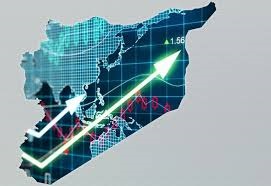
Despite the economic and political shifts it has undergone, the real estate market in the Syrian Arab Republic maintains a unique position. In Syrian culture, real estate is not merely an investment; it is traditionally viewed as “the loyal son” and the most secure vessel for preserving financial value.
1. Factors Influencing the Current Market
The Syrian real estate market is driven by several overlapping factors that dictate supply and demand:
-
Currency Fluctuations: Property prices are closely—though sometimes indirectly—linked to foreign exchange rates, leading to significant increases in the cost of apartments and land.
-
Construction Material Costs: Prices for cement, steel, and finishing materials have seen successive hikes due to import costs, transportation, and energy expenses.
-
Laws and Legislation: The Syrian government has issued several laws to regulate the market, most notably the Real Estate Sales Law, which utilizes the “market value” of properties to determine taxes and fees.
2. Top Investment Destinations
Investment feasibility varies by region and the specific objective of the investor:
-
Damascus and its Countryside: Damascus remains the highest in price and demand, particularly in neighborhoods like Kafr Sousa, Mazzeh, and Abu Rummaneh. Additionally, the Marota City project stands out as a modern urban face for real estate investment with contemporary planning.
-
Coastal Regions (Lattakia and Tartous): These areas experience steady demand due to relative security and tourism activity, making investment in chalets and tourism-related real estate a profitable option.
-
Aleppo and Homs: With the launch of restoration and reconstruction efforts, these cities are regaining their appeal for investors seeking lower entry prices compared to the capital, with expectations of future value appreciation.
3. Available Real Estate Investment Types
-
Residential Investment: Buying apartments for the purpose of leasing or reselling.
-
Commercial Investment: Offices and retail shops, especially in city centers and organized markets.
-
Land Development: Purchasing raw land within new organizational plans or nearby areas and developing it.
4. Challenges and Risks
Real estate investment in Syria is not without hurdles, most notably:
-
Weak Purchasing Power: The large gap between property prices and average income limits actual buying and selling activity (liquidity).
-
Lack of Real Estate Financing: The difficulty of obtaining bank loans that cover a significant percentage of the property value with affordable interest rates.
-
Infrastructure and Services: The availability of electricity, water, and telecommunications plays a crucial role in determining property value and investment feasibility.
5. Future Outlook
The future of real estate in Syria is fundamentally linked to the Reconstruction phase. Expectations suggest that the market will witness a major boom once large-scale projects to rebuild affected areas commence, opening doors for local and international real estate development companies.
Investor’s Tip: “Investing in Syrian real estate currently is a long-term play. Success depends on selecting strategic locations and ensuring the legal integrity of property documents (The Green Title/Tabo).”
Conclusion:
Real estate remains a historically safe haven in Syria. Despite occasional “stagflation,” the increasing need for housing and new urban planning projects make this sector a standing opportunity for those with vision and investment patience.

Join The Discussion